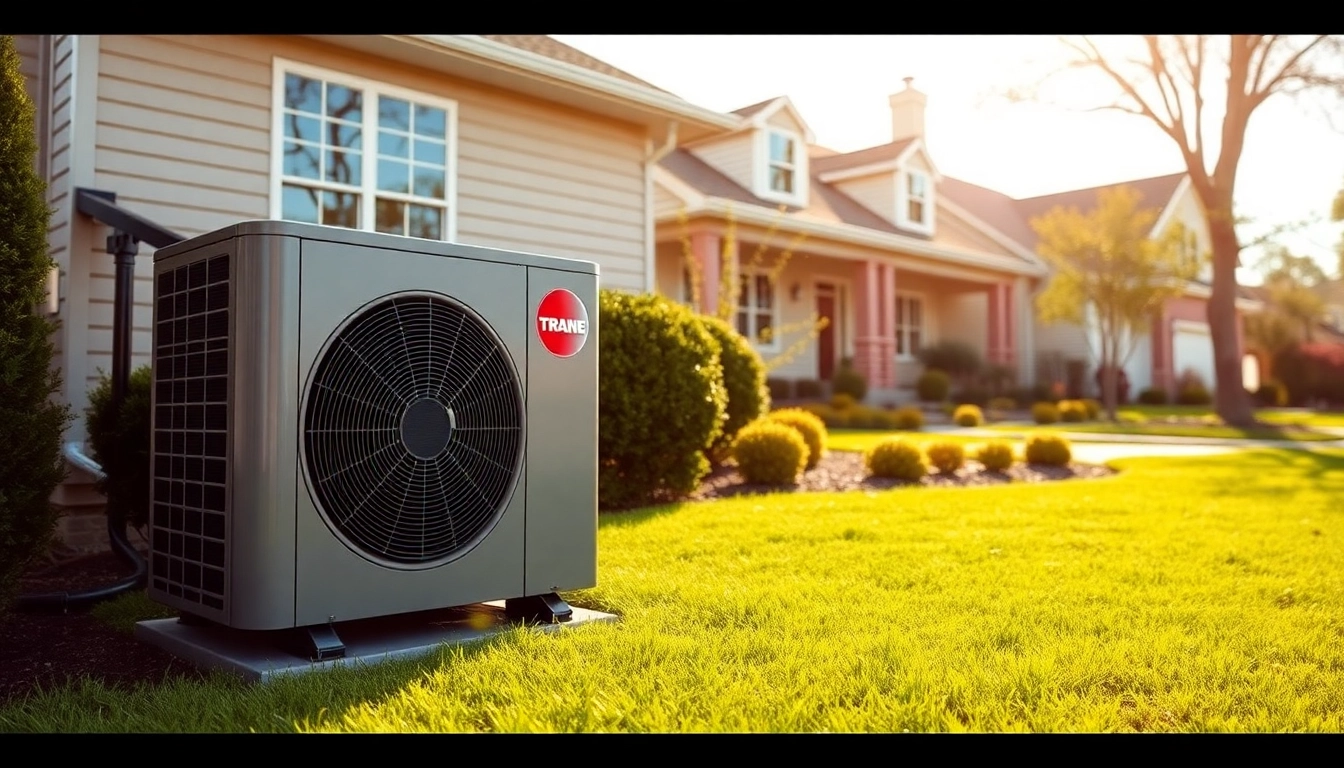
When it comes to managing home comfort, one of the most efficient solutions available today is the trane heat pump. These systems are known for their reliability and energy efficiency, making them a popular choice in a wide range of climates. In this comprehensive guide, we will delve deeply into Trane heat pump technology, model comparisons, installation and maintenance tips, cost considerations, and address frequently asked questions to help you make an informed decision.
Understanding Trane Heat Pump Technology
What is a Trane Heat Pump?
A Trane heat pump is an advanced HVAC system designed to transfer heat rather than generate it, allowing for both heating and cooling capabilities. Utilizing refrigerant, these systems function by absorbing heat from the outside air (even in colder conditions) and transferring it indoors to heat your home, or vice versa in the summer months. This efficiency not only saves energy but also reduces the carbon footprint associated with traditional heating methods.
How Does a Trane Heat Pump Work?
The operation of a Trane heat pump hinges on the principles of thermodynamics. In heating mode, the system absorbs outside heat and moves it indoors using a compressor and a series of coils. This process is reversed in cooling mode, where the heat pump extracts heat from the indoor environment and releases it outside. The efficiency of this system is rated with an Energy Efficiency Ratio (EER) and a Seasonal Energy Efficiency Ratio (SEER), reflecting its performance and the potential energy savings for homeowners.
Key Benefits of Choosing a Trane Heat Pump
One of the standout features of a Trane heat pump is its energy efficiency. These systems are engineered for optimal performance, leading to lower energy bills. Additionally, Trane heat pumps are celebrated for their longevity and reliability, often lasting 15-20 years with proper maintenance. They also operate quietly, enhancing indoor comfort without disruptive noise. Furthermore, many models are designed to adapt to various climate conditions, ensuring consistent performance year-round.
Comparing Trane Heat Pump Models
Popular Models of Trane Heat Pumps
Trane offers a diverse range of heat pump models tailored to meet different home sizes and cooling/heating needs. For example, the Trane XV20i is known for its variable speed compressor, allowing it to operate at different capacities for enhanced efficiency. Other models, like the XR17, balance performance and affordability, making them suitable for various budgets.
Energy Efficiency Ratings Explained
Energy efficiency is a crucial consideration when choosing a heat pump. Trane heat pumps come with SEER ratings that indicate how efficiently the system can cool a space over a typical cooling season, and HSPF ratings, which measure heating efficiency. Generally, higher ratings reflect lower energy cost and greater comfort levels, making it essential to assess these figures when comparing models.
Choosing the Right Model for Your Home
Selecting the right Trane heat pump requires consideration of several factors including the size of your home, local climate, and specific heating and cooling needs. A load calculation performed by a certified technician can help determine the appropriate capacity required to maintain comfortable indoor temperatures while optimizing energy use. Understanding local climate conditions can further inform the right model choice based on efficiency and design features best suited for your area.
Installation and Maintenance of Your Trane Heat Pump
Professional Installation vs. DIY
A Trane heat pump system’s performance is closely tied to how well it is installed. Professional installation ensures that all components work harmoniously, maximizing efficiency and longevity. While some homeowners may consider DIY installation, it can lead to potential efficiency issues or void warranties if not performed correctly. Engaging a certified technician is often the best decision for ensuring optimal function and compliance with local codes.
Regular Maintenance Tips for Longevity
To enhance the longevity of your Trane heat pump, regular maintenance is essential. This includes changing or cleaning filters, inspecting ductwork, and scheduling annual professional servicing to check refrigerant levels, and overall system performance. Proper maintenance not only prolongs the system’s lifespan but also keeps it running at peak efficiency, reducing long-term energy costs.
Troubleshooting Common Issues
Even with regular maintenance, issues can arise with Trane heat pumps. Common problems include unusual noises, inconsistent temperatures, or decreased efficiency. Homeowners can often troubleshoot minor issues, such as checking the thermostat settings or cleaning filters. However, persistent issues should be addressed by a trained technician to ensure an appropriate diagnosis and fix.
Cost Considerations for Trane Heat Pumps
Initial Investment vs. Long-Term Savings
The initial cost of a Trane heat pump can vary based on the model and features. However, it’s important to evaluate this investment against potential long-term savings on energy bills. Energy-efficient models can significantly reduce monthly expenses, and many homeowners find that the initial higher cost is offset over time through savings on utilities.
Financing Options for Trane Heat Pump Purchases
To facilitate the purchase of a Trane heat pump, many consumers explore financing options. Many manufacturers and retailers offer financing plans that allow homeowners to manage installation costs over time. Additionally, local rebates or tax credits may also be available for energy-efficient heat pump installations, further reducing out-of-pocket expenses.
Understanding Operational Costs
Operational costs associated with a Trane heat pump include electricity usage for running the system and any maintenance costs for servicing. Tracking your energy bills can help gauge the system’s efficiency against expected performance. Understanding the operational costs can also guide your choices in energy use and maintenance frequency for optimal performance.
FAQs About Trane Heat Pumps
Are Trane heat pumps efficient?
Yes, Trane heat pumps are known for their high energy efficiency ratings, leading to significant savings on utility bills.
What size Trane heat pump do I need?
The appropriate size depends on your home’s heating and cooling needs, typically measured in tons corresponding to the space’s square footage.
How often should I maintain my Trane heat pump?
Homeowners should schedule maintenance at least once a year to ensure efficient operation and prolong the lifespan of the heat pump.
Can I install a Trane heat pump myself?
While DIY installation is possible, it is advised to hire a professional to ensure optimal performance and maintain warranty compliance.
What is the lifespan of a Trane heat pump?
With proper maintenance, a Trane heat pump can last between 15 to 20 years, depending on usage and care protocols.
Contact Information
Email: [email protected]
Address: Saskatoon, SK, Canada · Alberta · Winnipeg, MB, Canada · Regina, SK, Canada