Understanding Cape Cod Home Design
Historical Significance of Cape Cod Homes
The Cape Cod home style, originating in the early 17th century, was initially developed for practicality and simplicity in the harsh New England climate. These homes, characterized by their steep roofs, dormered windows, and symmetrical designs, reflect an era when families sought comfort and protection from the elements. Each home tells a story of resilience, adapting to the landscape of sandy shores and coastal winds. As these structures gained popularity, they began to symbolize not just architectural significance but also a deep-rooted cultural identity.
Typical Features of a Cape Cod Home
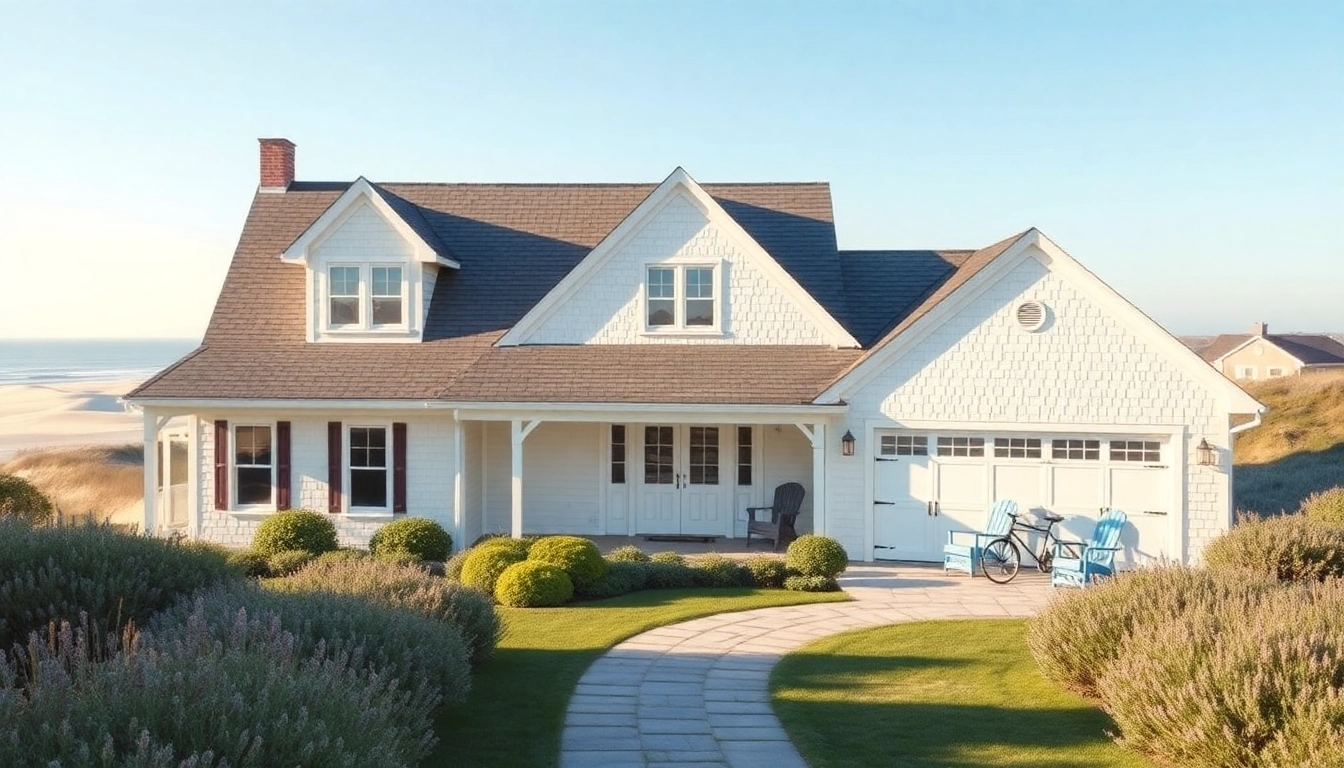
Typical features of a cape cod home include a low, broad silhouette, steeply pitched rooflines, and a central chimney. The exterior is often finished with clapboard siding painted in muted tones like pale blues, greens, or soft whites. Inside, the floor plans usually prioritize functionality, featuring open spaces that maximize natural light. A unique aspect is the use of small, multi-paned windows that enhance energy efficiency while offering picturesque views of the surrounding landscape.
Modern Adaptations in Cape Cod Style
Modern adaptations of Cape Cod homes blend traditional aesthetics with contemporary elements. Homeowners often seek to add larger windows or open-concept layouts that encourage social interaction. Sustainable materials and energy-efficient technologies have become increasingly popular, allowing owners to maintain the classic charm while promoting eco-friendliness. Moreover, the integration of outdoor living spaces, such as expansive decks and patios, caters to the modern lifestyle while embracing the coastal beauty that defines Cape Cod.
Best Practices for Home Expansions
Planning Your Cape Cod Home Expansion
When planning your expansion, consider the scale, functionality, and aesthetic integration with your existing cape cod home. Begin by assessing your current space and determining which areas require enhancement. Collaborate with an architect to create a harmonious design that respects the original style yet accommodates your evolving needs. Research local zoning laws and regulations that may impact your plans, ensuring compliance before proceeding.
Design Elements to Consider
Your expansion should maintain the iconic elements of a Cape Cod home, such as pitched roofs and wooden siding. Additionally, incorporate architectural features like molded trim and natural wood finishes to preserve the essence of the style. Explore ways to enhance the interior layout as well, possibly adding a more open kitchen that flows into the living area, enhancing both space and usability.
Common Mistakes to Avoid
One significant mistake homeowners often make is overlooking the importance of cohesive design. An expansion should not feel like an afterthought; it needs to appear as a natural extension of the original structure. Additionally, neglecting to factor in structural soundness can lead to serious issues down the line. Always hire professionals who understand Cape Cod architecture to avoid pitfalls like mismatched materials or impaired functionality.
Incorporating an Attached Garage
Benefits of an Attached Garage
Installing an attached garage offers numerous advantages, including added convenience and increased property value. This space not only serves as shelter for vehicles but also provides additional storage or workshop options. Furthermore, an attached garage allows for direct access to the home, enhancing safety and comfort, especially during inclement weather.
Designing a Functional Garage Space
When planning your garage, focus on maximizing utility without compromising on the aesthetic appeal of your cape cod home. Consider features like adequate lighting, versatile shelving, and proper ventilation. Ensure that the garage door complements your home’s architecture, opting for classic designs that reflect the Cape Cod style, thereby maintaining visual consistency.
Combining Aesthetic with Utility
Functional garages can also be visually appealing. Use similar siding, roofing materials, and paint colors as your main home to ensure cohesion. Additionally, landscape around the garage in a way that integrates it with the rest of your property, such as planting native shrubs or adding decorative stone pathways that align with your home’s character.
Enhancing Curb Appeal
Landscaping Ideas for Your Cape Cod Home
Landscaping plays a crucial role in enhancing the curb appeal of your cape cod home. Incorporate native plants that thrive in your local climate while providing visual interest throughout the year. Consider creating flower beds or adding ornamental grasses that frame your home beautifully. Incorporating a well-maintained lawn, paths, and strategic lighting will create an inviting outdoor space.
Color Schemes and Exterior Finishes
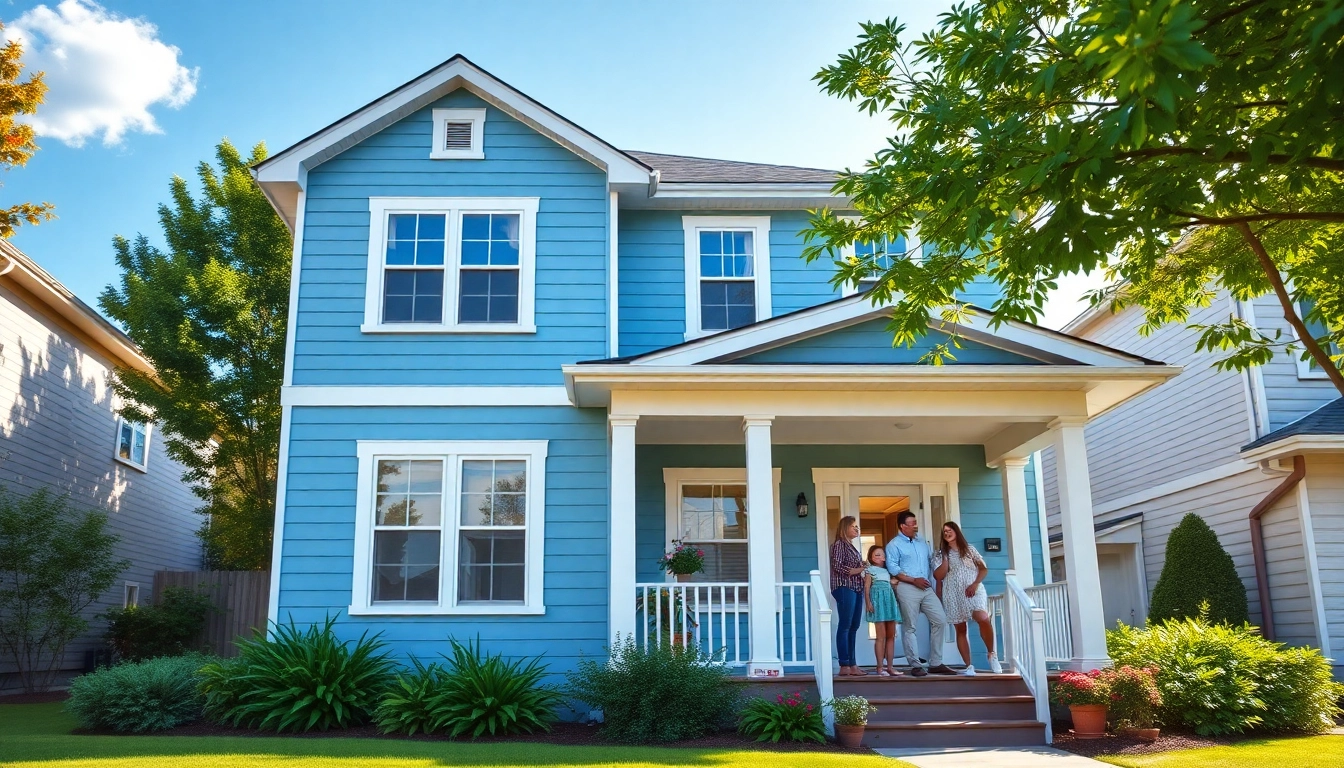
Choosing appropriate colors for your Cape Cod home is essential. Soft, beach-inspired palettes often work best, with blues, greys, and whites dominating. Use exterior finishes like clapboard or shingles painted in these shades to maintain authenticity. Accents, such as shutters or doors in contrasting hues, can provide striking focal points that catch the eye.
Lighting Enhancements for a Welcoming Entrance
Effective outdoor lighting not only enhances security but also boosts the aesthetic appeal of your cape cod home. Apply task lighting along pathways and ambient lighting around seating areas to create a warm and inviting atmosphere in the evenings. Choosing lantern-style fixtures will echo traditional Cape Cod design while adding functionality and charm.
Cost Considerations and Budgeting
Estimating Expansion Costs
Estimating costs for a home expansion is critical to ensure that your project stays on track financially. Start by obtaining multiple quotes from contractors who specialize in Cape Cod architecture. Include all potential expenses, such as materials, labor, permits, and any unexpected costs that may arise during construction. Remember that investing in quality materials may save you money over time through reduced maintenance and increased durability.
Budgeting for Garage Construction
When budgeting for garage construction, consider both initial costs and long-term expenses. In addition to construction, factor in elements such as garage doors, insulation, flooring, and finishes. Establish a contingency fund to accommodate unforeseen expenses, ensuring that you can complete your project without financial strain.
Financing Your Cape Cod Home Projects
Exploring financing options can facilitate your home project without derailing your budget. From personal loans to home equity financing or even government-backed renovations programs, various avenues can help you realize your dream of expanding or enhancing your Cape Cod home. Be sure to conduct thorough research and consider your financial situation carefully before making a commitment.
Frequently Asked Questions
What makes a Cape Cod home unique?
The Cape Cod home is unique due to its steep roof, dormer windows, and symmetrical design that evolved for practicality in a coastal environment.
What are some typical features of a Cape Cod home?
Typical features include a low silhouette, central chimney, clapboard siding, and small multi-paned windows that maximize light and energy efficiency.
How can I expand my Cape Cod home while preserving its character?
To maintain character during expansion, integrate traditional architectural elements such as steep roofs and wooden siding, ensuring a cohesive design.
What are the benefits of an attached garage?
An attached garage offers convenience, increased property value, and direct access to the home, providing shelter from the elements.
How should I budget for home renovations?
Budgeting should include quotes from contractors, materials, labor, and a contingency fund for unexpected expenses to ensure project completion.