
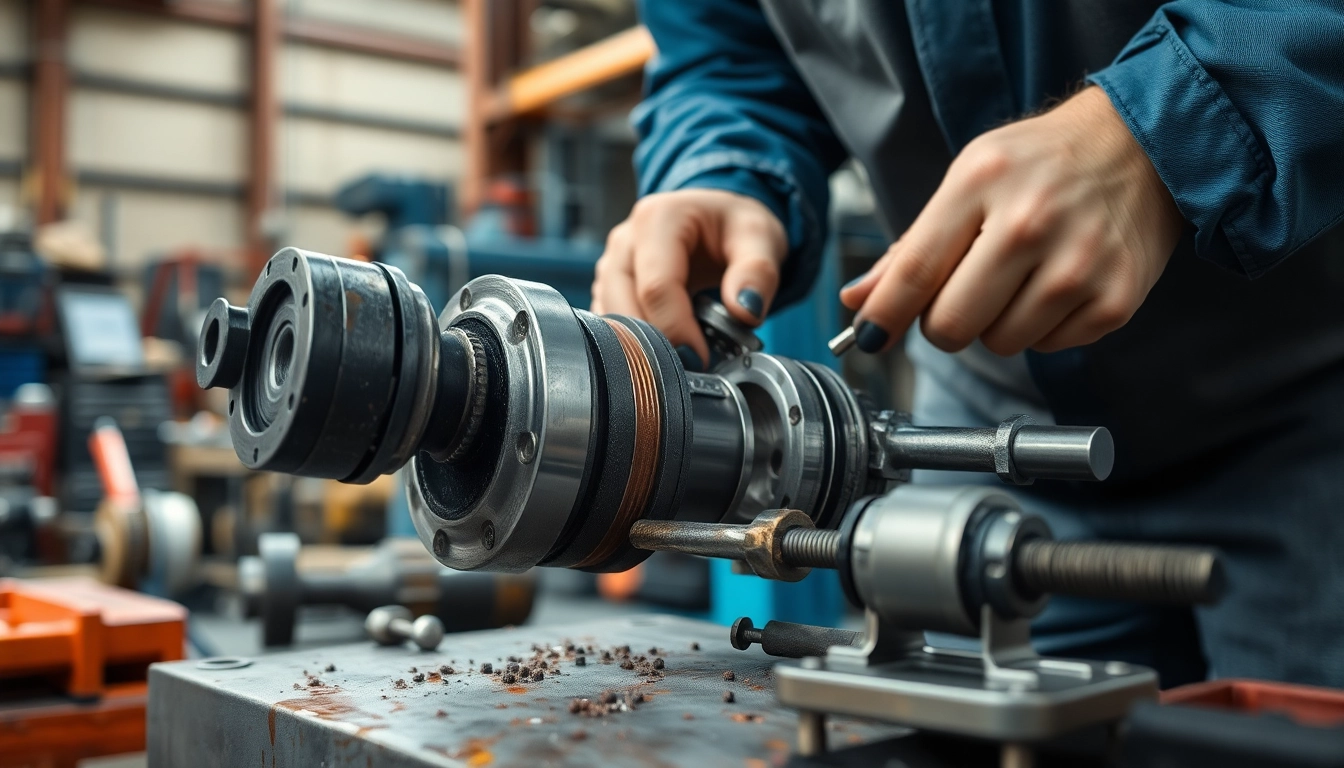
Understanding Hydraulic Cylinder Repair
What is Hydraulic Cylinder Repair?
Hydraulic cylinder repair encompasses the processes and techniques involved in restoring hydraulic cylinders to their optimal working condition. This repair is crucial because hydraulic cylinders play a pivotal role in various machines and equipment, facilitating the movement and control of different applications such as construction, manufacturing, and automotive industries. A failure in a hydraulic cylinder can lead to significant operational downtime, unsafe conditions, and expensive repair or replacement costs. For these reasons, regular inspections and proficient hydraulic cylinder repair are essential. When addressing issues, it’s imperative to consider not only the immediate problem but also the overall health of the hydraulic system, making hydraulic cylinder repair a fundamental maintenance practice.
Common Signs of Hydraulic Cylinder Damage
Recognizing the signs of hydraulic cylinder damage is the first step toward timely repairs. Common indicators include:
- Fluid Leaks: Puddles of hydraulic fluid around the cylinder or on machinery are strong indicators of a failing seal or joint.
- Reduced Performance: If machinery operates sluggishly or less powerfully, it may be a sign that the hydraulic cylinder is not generating or maintaining adequate pressure.
- Unusual Noises: Grinding, hissing, or thumping noises during operation can signify internal wear or malfunction.
- Surface Damage: Scratches, dents, or corrosion on the cylinder body may compromise its structural integrity.
Addressing these issues promptly can prevent further damage and extend the life of the equipment.
The Importance of Timely Repairs
Timely hydraulic cylinder repair is crucial for operational efficiency and safety. Delays in addressing issues can lead to more significant damage, which often translates to higher repair costs and extended downtime. Moreover, compromised hydraulic systems can pose serious safety risks, not only to the equipment but also to operators and nearby personnel. Regular inspections and proactive maintenance practices play a vital role in prolonging the lifespan of hydraulic components and preventing catastrophic failures.
Diagnostic Methods for Hydraulic Cylinder Issues
Visual Inspection Techniques
Visual inspection is the first diagnostic method in identifying issues with hydraulic cylinders. Technicians examine the entire system for any visible signs of wear, fluid leaks, or corrosion. Specific attention should be paid to the cylinder’s seals, rods, and overall structure. Using magnifying tools can help to detect smaller fissures or irregularities. Ideally, inspections should be part of a routine maintenance plan, as early detection can mitigate extensive repairs.
Using Hydraulic Test Equipment
Hydraulic test equipment plays a critical role in evaluating the performance of hydraulic cylinders. Devices like pressure gauges, flow meters, and hydraulic testers can provide quantitative data on the system’s operation. By measuring parameters such as pressure and flow rate, technicians can identify discrepancies that indicate underlying problems. Furthermore, tests can assess the effectiveness of hydraulic fluid, ensuring it meets operational requirements.
Identifying Leaks and Wear Patterns
Identifying leaks and wear patterns involves employing both visual and physical inspection methods. Common tools used include dye penetrants, which can highlight even the smallest leaks. Additionally, techniques like chalk marking or ultrasonic leak detection can be employed to reveal hidden leaks. Recognizing wear patterns on piston rods and seals can aid in predicting potential failures and help technicians decide on appropriate corrective actions.
Essential Tools for Hydraulic Cylinder Repair
Must-Have Repair Tools
An effective hydraulic cylinder repair necessitates a specific set of tools. Essential tools include:
- Socket and Wrench Sets: To disassemble various cylinder components.
- Seal Removal Tools: For extracting damaged seals without causing further damage.
- Pneumatic or Hydraulic Press: Useful for reassembling components under necessary pressure.
- Cylindrical Hones: To restore the inner surface of the cylinder bore.
Using high-quality tools not only enhances repair effectiveness but also ensures safety during the process.
Safety Equipment and Precautions
Safety should always be a priority in hydraulic cylinder repair. Essential safety equipment includes gloves, safety goggles, and steel-toed boots to protect against potential accidents. Moreover, identifying hazzards in the working environment and ensuring proper ventilation when working with hydraulic fluids is vital. Implementing safety protocols not only protects technicians but also enhances overall operational safety.
Choosing Quality Replacement Parts
Using quality replacement parts is critical for the longevity and efficiency of hydraulic cylinder repairs. Technicians should consider factors such as material compatibility, size, and operational requirements when selecting parts. High-quality seals, rods, and cylinders may cost more initially but can drastically reduce the frequency and cost of future repairs. Whenever possible, opting for OEM parts ensures better performance and reliability.
Step-by-Step Hydraulic Cylinder Repair Process
Disassembling the Cylinder Safely
Disassembling hydraulic cylinders safely involves several critical steps. First, ensure that the system is powered down and fully depressurized. Next, clean the exterior of the cylinder to prevent contamination during disassembly. Using appropriate toolsets, carefully remove the end caps and seals while making sure not to damage any components. Keep an orderly workspace, organizing parts systematically for easy reassembly.
Repair Techniques for Various Damage Types
Upon disassembly, various repair techniques come into play depending on the type of damage observed. Common repair methods include:
- Seal Replacement: This involves replacing damaged seals with high-quality counterparts to ensure leak resistance.
- Surface Grinding: For minor scratches or imperfections, grinding can restore the smooth surface of the cylinder.
- Welding: In cases of severe structural damage, welding can be employed, assuming the materials are compatible and safety standards are met.
- Honing: Bore honing is used to restore the cylinder’s inner diameter, enhancing seal contact and performance.
Choosing the right technique is often critical to the performance and reliability of the repaired cylinder.
Reassembly and Testing Procedures
After repairs are completed, reassembly must follow a systematic approach. Clean all components thoroughly before reassembly to prevent contamination. Reassemble the cylinder in reverse order of disassembly, ensuring that all seals are correctly seated. After reassembly, it is crucial to conduct performance testing under controlled conditions to verify that the repairs have been effective. Monitor for leaks and other operational parameters, adjusting if necessary.
Best Practices and Maintenance Tips
Routine Maintenance for Longevity
Implementing a rigorous routine maintenance schedule can extend the lifespan of hydraulic cylinders. Recommended practices include regular inspections, fluid level checks, and ensuring that all components are free from contaminants. Additionally, using high-grade hydraulic fluids tailored to specific operating environments can prevent wear and tear.
Common Pitfalls to Avoid in Hydraulic Cylinder Repair
There are several pitfalls to avoid when performing hydraulic cylinder repair: one is assuming that all seals should be replaced, which can lead to unnecessary costs. Another common mistake is neglecting to perform a thorough inspection after repairs, which can result in overlooked issues. Ensuring accurate torque specifications during reassembly is crucial, as improperly tightened bolts can cause future failures.
When to Seek Professional Help
While many hydraulic cylinder problems can be addressed in-house, there are cases where professional assistance is advisable. Complex issues such as severe structural damage, unresolvable leaks, or lack of expertise in specific hydraulic systems warrant seeking professional help. Furthermore, if the equipment is critical to operations, engaging experts can ensure safety and efficiency.
FAQs about Hydraulic Cylinder Repair
1. How often should hydraulic cylinders be inspected?
Hydraulic cylinders should be inspected at least once every six months, or more frequently depending on operational demands and conditions.
2. Can I repair a hydraulic cylinder myself?
Yes, if you have the right tools, knowledge, and safety equipment. However, for complex issues, consulting a professional is advisable.
3. What causes hydraulic cylinder failure?
Common causes include wear and tear, contamination of hydraulic fluid, lack of lubrication, and operational overloads.
4. How long does hydraulic cylinder repair take?
The time taken for repairs depends on the damage severity but typically ranges from a few hours to a couple of days.
5. Are aftermarket parts reliable for hydraulic repairs?
While some aftermarket parts can be reliable, it’s often better to use OEM parts for guaranteed quality and compatibility.

