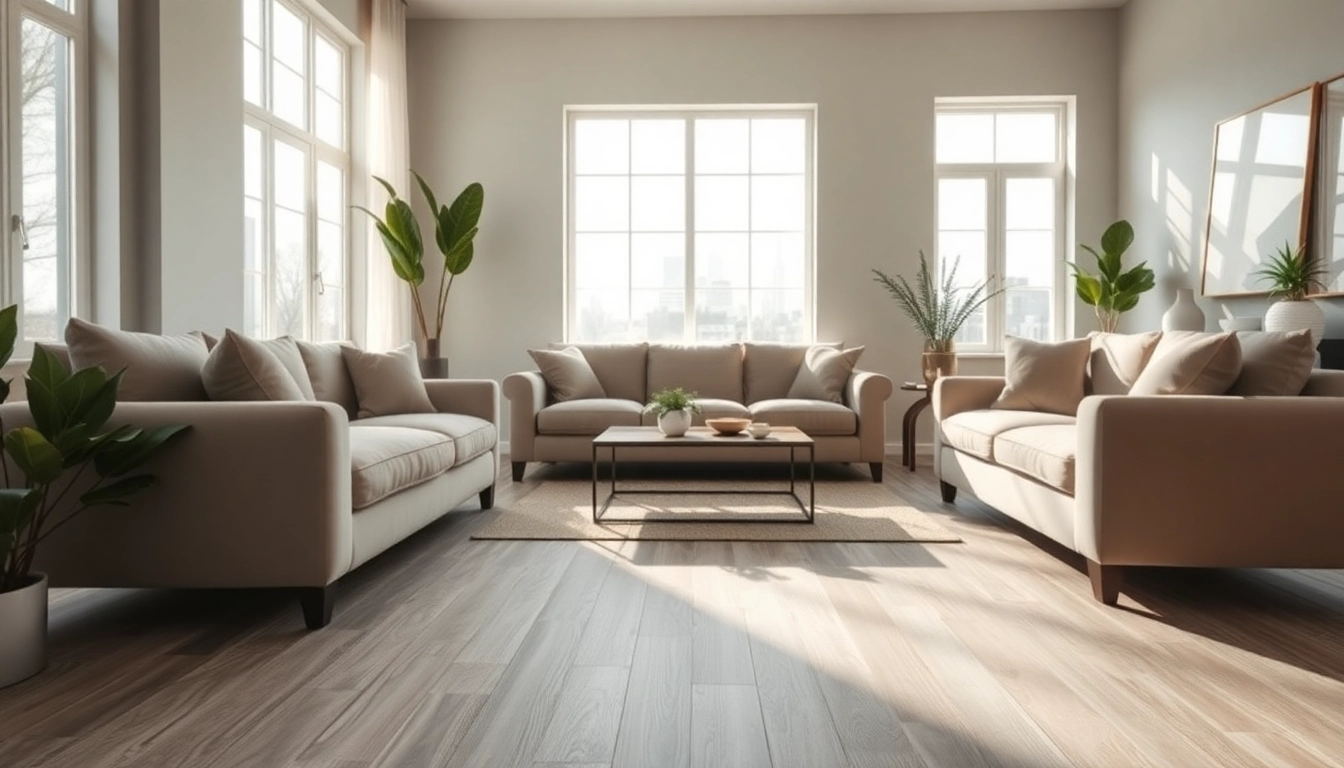
Understanding Vinyl Flooring: Types and Benefits
Different Types of Vinyl Flooring
When it comes to vinyl flooring, there are several variations that cater to different aesthetic preferences, durability requirements, and installation methods. Understanding these types will help you make an informed decision for your flooring needs.
The primary types of vinyl flooring include:
- Sheet Vinyl: This type is available in large rolls and is fused together to create a seamless look. Ideal for spaces that may experience moisture, such as bathrooms and kitchens, sheet vinyl provides excellent water resistance.
- Luxury Vinyl Plank (LVP): Mimicking the appearance of wood, LVP is designed to be durable and is available in various styles and finishes. Its interlocking mechanism simplifies installation and is often favored for its realism.
- Luxury Vinyl Tile (LVT): Similar to LVP, LVT imitates natural stone or ceramic tiles. It’s a versatile option that combines beauty with functionality, perfect for high-traffic areas.
- Vinyl Composite Tile (VCT): Made of natural limestone and vinyl, VCT offers a more affordable alternative. It’s commonly used in commercial spaces and requires regular maintenance to retain its appearance.
- Glue-Down Vinyl: Unlike peel-and-stick varieties, glue-down vinyl requires a strong adhesive for installation, providing a secure and stable floor, often used for high-traffic zones.
Key Benefits of Vinyl Flooring
Vinyl flooring is increasingly popular due to its numerous advantages, making it a preferred choice among homeowners and designers alike. Here are some of the key benefits:
- Affordability: One of the most compelling reasons for choosing vinyl flooring is its cost-effectiveness. It is generally more affordable than hardwood and tile options while closely mimicking their appearance.
- Durability: Vinyl flooring is designed to withstand heavy foot traffic, making it ideal for busy households or commercial environments. It’s resistant to scratches, dents, and stains.
- Water Resistance: Unlike hardwood, vinyl flooring is highly resistant to moisture, making it suitable for kitchens, bathrooms, and basements.
- Easy Maintenance: Cleaning vinyl flooring is a simple task. Regular sweeping and occasional mopping are usually enough to keep it looking great.
- Versatility: With a vast array of styles, colors, and patterns available, it fits well in any interior design scheme, from contemporary to classic.
Comparing Vinyl Flooring with Other Flooring Options
To determine if vinyl flooring is the right choice for you, it’s essential to compare it with other popular flooring options:
Vinyl vs. Hardwood
While hardwood is known for its timeless beauty and natural warmth, it requires more maintenance and is susceptible to moisture damage. Vinyl flooring offers a similar aesthetic at a more affordable price and with enhanced durability.
Vinyl vs. Tile
Tile is durable and water-resistant but can be cold and hard underfoot. Vinyl flooring, on the other hand, provides warmth and comfort, while still being water-resistant and easier to install.
Vinyl vs. Carpet
Carpet is soft and provides warmth but can trap allergens and require frequent cleaning. Vinyl flooring is hypoallergenic and easier to maintain while offering a wide range of designs.
Choosing the Right Vinyl Flooring for Your Home
Factors to Consider When Selecting Vinyl Flooring
Selecting the right vinyl flooring involves evaluating several factors to ensure it suits your lifestyle and design preferences:
- Foot Traffic: Consider how much wear and tear your flooring will endure. High-traffic areas may require more durable options.
- Moisture Levels: Homes in humid climates or areas with frequent spills should opt for waterproof vinyl flooring.
- Aesthetic Needs: Choose colors and patterns that complement your existing decor and personal style.
- Installation Type: Decide between DIY-friendly options like click-lock systems or professional installation.
- Budget: Set a realistic budget that covers not just the flooring but also installation and future maintenance costs.
Top Aesthetic Trends in Vinyl Flooring Design
As interior design trends evolve, so does the realm of vinyl flooring. Current trends include:
- Natural Looks: Vinyl that imitates wood grains or stone patterns is in high demand, offering aesthetic appeal without the associated costs of natural materials.
- Bold Patterns: Geometric designs and vibrant colors provide a unique flair that can transform a room’s aesthetic.
- Lighter Shades: Light-toned vinyl options, such as whitewashed woods or pale stones, help create an airy and spacious feel.
- Textured Finishes: Textured surfaces enhance the realism of vinyl flooring, offering tactile feedback that adds depth.
Understanding Maintenance Needs for Vinyl Flooring
One of the selling points of vinyl flooring is how easy it is to maintain. However, understanding its specific maintenance needs can prolong its lifespan:
- Regular Cleaning: Sweep or vacuum regularly to remove dirt and debris. This prevents scratching and keeps the surface clean.
- Mopping: Use a damp mop with a gentle cleanser to remove stubborn stains. Avoid harsh chemicals that may damage the finish.
- Protective Measures: Consider placing mats at entryways and furniture pads under heavy items to prevent scratches and dents.
Installation Process for Vinyl Flooring
Step-by-Step Guide to Installing Vinyl Flooring
Installing vinyl flooring can be a DIY project, but it’s essential to follow a structured approach to ensure a successful installation:
- Preparation: Clear the area of furniture and debris. Ensure the subfloor is clean, dry, and level.
- Acclimation: Allow the vinyl flooring to acclimate in the room where it will be installed for 48 hours to prevent warping.
- Measuring and Cutting: Measure your space and cut the vinyl to fit, allowing for expansion gaps near walls.
- Adhesion: Depending on the type, adhere the vinyl to the subfloor using glue or follow instructions for peel-and-stick options.
- Finishing Touches: Add transitions, moldings, and trim to ensure a professional finish.
Common Challenges During Installation
While installing vinyl flooring may seem straightforward, challenges may arise. Some common issues and their solutions include:
- Poor Adhesion: If using glue, ensure thorough application and appropriate curing time. Consider a primer if the subfloor is porous.
- Wrinkles or Bubbles: If bubbles form, use a roller to carefully smooth them out. For larger wrinkles, cut the affected area, apply adhesive, and smooth it down again.
- Inaccurate Measurements: Always re-check your measurements before cutting. It’s wise to plan for extra material just in case.
Hiring Professionals for Vinyl Flooring Installation
If DIY installation seems daunting, hiring professionals can be beneficial. They bring experience in applying the best practices, tools, and techniques, ensuring a flawless finish. Additionally, professionals can typically solve installation challenges more efficiently, saving you time and potential frustration.
Maintenance Tips to Keep Your Vinyl Flooring Pristine
Daily Care and Cleaning Routines
Keeping your vinyl flooring in top condition requires an easy daily care routine:
- Routine Sweeping: Daily to weekly sweeping removes dirt and prevents it from scratching the surface.
- Spot Cleaning: Immediately clean spills to prevent stains. Use a soft cloth or paper towel for quick cleanup.
- Occasional Mopping: A weekly mop with a mild detergent will maintain shine and cleanliness without damaging the flooring.
Dealing with Scratches and Damage
Even the most careful homeowners may encounter scratches and minor damage. Here’s how to handle these issues:
- Minor Scratches: For superficial scratches, use a vinyl repair kit, available in most home improvement stores, to restore the surface.
- Deep Scratches: For deeper cuts, consider applying a color-matching filler from a professional flooring store.
Long-term Care for Vinyl Flooring
Beyond daily and routine care, consider these long-term maintenance tips:
- Periodic Deep Cleaning: Every few months, a deep clean using a specialized vinyl flooring cleaner will preserve the finish.
- Reapply Finish: Over time, adding a new layer of finish can help maintain shine and protect against wear.
Cost Analysis and Budgeting for Vinyl Flooring
Average Costs Involved in Vinyl Flooring Acquisition
The cost of vinyl flooring can vary widely based on material type, brand, and quality. On average, you might expect:
- Sheet Vinyl: Ranges from $1 to $4 per square foot.
- Luxury Vinyl Plank (LVP): Typically costs between $2 and $7 per square foot.
- Luxury Vinyl Tile (LVT): Generally priced between $2 and $6 per square foot.
Budgeting for Installation and Maintenance
In addition to acquiring the flooring, consider budgeting for installation and long-term maintenance:
- Installation Costs: Professional installation usually adds $2 to $5 per square foot to your overall cost, depending on the complexity.
- Maintenance Budget: Allocate funds for cleaning products and occasional deep cleaning services to keep your flooring looking new.
Cost Comparison: Vinyl Flooring versus Wood and Tile
While evaluating your budget, it’s important to compare the costs of vinyl flooring with wood and tile:
- Vinyl Flooring: More affordable, durable, and requires less maintenance.
- Hardwood: Higher initial investment, requiring regular refinishing and maintenance.
- Tile: Costs can be comparable to vinyl, but installation and repairs can incur additional expenses.
Frequently Asked Questions
1. Is vinyl flooring waterproof?
Yes, many types of vinyl flooring are designed to be waterproof, making them suitable for bathrooms and kitchens.
2. How long does vinyl flooring last?
With proper care, vinyl flooring can last anywhere from 10 to 20 years, depending on the quality and maintenance.
3. Can I install vinyl flooring over existing flooring?
Yes, vinyl flooring can often be installed over existing flooring, provided it’s clean, dry, and level.
4. Is vinyl flooring eco-friendly?
Vinyl flooring has improved in eco-friendliness with many manufacturers producing options using recycled materials and low-VOC emissions.
5. How do I remove stains from vinyl flooring?
Most stains can be removed using a mild detergent and a soft cloth. For tougher stains, specialized vinyl cleaners may be necessary.