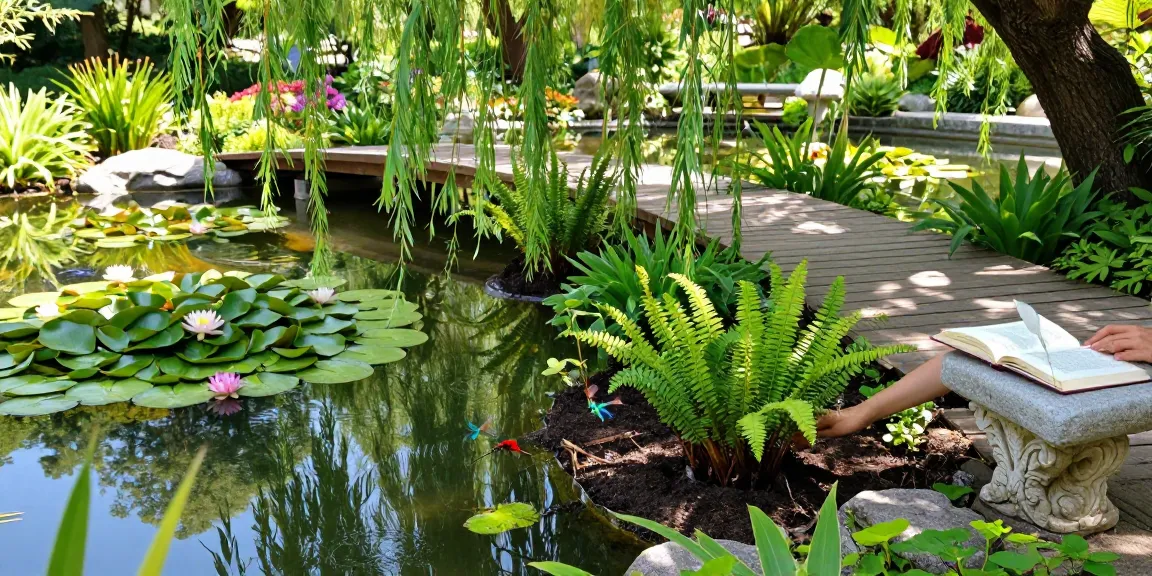
Understanding Pond Plants: The Basics
Pond plants play a crucial role in ensuring the health and aesthetic appeal of water gardens and natural ponds. As integral components of aquatic ecosystems, these plants contribute to water quality, provide habitat for wildlife, and enhance the overall beauty of the landscape. For anyone interested in cultivating a vibrant aquatic garden, understanding the various types of Pond Plants and their functions is essential.
What Are Pond Plants and Their Role?
Pond plants are aquatic flora specifically adapted to grow in water. These plants are vital for maintaining the balance of aquatic ecosystems due to their roles in oxygen production, nutrient cycling, and habitat provision for fish and other wildlife. Pond plants can be broadly categorized into three types: emergent, floating, and submerged plants. Each type has unique adaptations that allow them to thrive in various water environments.
Types of Pond Plants for Every Ecosystem
- Emergent Plants: These are plants that grow above the water’s surface and include species like cattails and bulrushes. They are important for providing habitat and stability to the pond’s banks.
- Floating Plants: Floating plants, such as water lilies and duckweed, float on the surface of the water. They help to shade the water, reducing algae growth and providing shelter for aquatic animals.
- Submerged Plants: These species, like eelgrass and hornwort, grow entirely underwater and play a significant role in oxygenating the water and filtering pollutants.
Benefits of Incorporating Pond Plants in Your Garden
Integrating pond plants into your garden offers numerous advantages. Firstly, they contribute to a healthy ecosystem by improving water quality through filtration and oxygenation. Additionally, pond plants serve as food and shelter for various wildlife, including birds, insects, and fish. Furthermore, they add aesthetic value to your garden, creating a serene and picturesque environment.
Choosing the Right Pond Plants for Your Space
Selecting the right pond plants is essential for establishing a thriving aquatic environment. Factors to consider include the size of your pond, water depth, and the specific ecosystem you wish to create. By understanding your unique space and the needs of different plant types, you can cultivate an impressive aquatic landscape.
Factors to Consider When Selecting Pond Plants
Before choosing pond plants, evaluate the following factors to ensure a successful selection:
- Water Depth: Different plants thrive at varying depths, so consider the specific zones within your pond—marginal, shallow, or deep water.
- Sunlight Exposure: Assess how much sunlight your pond receives, as some plants prefer full sun while others thrive in shaded areas.
- Climate: Local climate conditions can greatly influence the types of plants that will flourish in your pond.
Top Aquatic Plants for Different Pond Environments
Choose plants based on your pond’s environment:
- For Shallow Ponds: Water lilies and marsh marigold are excellent choices, providing beauty and essential habitat.
- For Deep Ponds: Submerged plants like coontail and anacharis help oxygenate the water.
- For Wildlife Gardens: Incorporating plants like cattails and blue flag iris can attract butterflies and birds.
Seasonal Planting and Maintenance Tips
Seasonal changes can affect the health of pond plants. During the spring, focus on planting and dividing established perennials, ensuring they have space to grow. Summer requires regular maintenance, including checking for pests and diseases. In fall, it’s beneficial to trim back dead foliage to prepare plants for winter. Lastly, during winter, consider mulching around the base of perennial plants to protect their roots.
Common Challenges with Pond Plants
While pond plants are generally resilient, they can face several challenges that may impact their health. Recognizing and addressing these issues early is crucial for maintaining a thriving aquatic ecosystem.
Pest and Disease Management for Aquatic Flora
Pond plants can attract pests such as aphids and snails, which may damage foliage. Regularly inspecting plants and using organic pest deterrents can help manage these issues. Additionally, diseases like root rot can occur in overwatered plants — ensuring proper planting depth and drainage is essential.
Addressing Water Quality Issues
Water quality is vital for the health of your pond plants. Regular testing of pH levels, ammonia, and nitrate concentrations can help identify issues. Introducing beneficial microorganisms can boost water quality, promoting healthier plants and clearer water.
Overcoming Environmental Obstacles
Environmental challenges, such as fluctuating temperatures and extreme weather events, can impact pond plants. Establishing a diverse plant community can enhance resilience and adaptability, ensuring that even if one species struggles, others can thrive.
Best Practices for Maintaining Healthy Pond Plants
To ensure thriving pond plants, implementing effective maintenance strategies is essential. This involves proper care techniques that encourage growth and sustainability within your aquatic garden.
Watering and Nutrition Strategies
Although pond plants generally require less watering than traditional garden plants, understanding their nutritional needs is crucial. Incorporate organic fertilizers specifically designed for aquatic plants to promote robust growth while avoiding excess nutrients that can lead to algae blooms.
Pruning and Dividing Plants for Growth
Regular pruning can help maintain the shape and health of pond plants. Additionally, dividing overgrown plants every few years promotes new growth and allows you to expand your garden or share with friends.
Creating a Balanced Pond Ecosystem
A balanced pond ecosystem includes a variety of plants that coexist harmoniously. Aim to include a mix of emergent, floating, and submerged plants to create a robust environment that supports wildlife and maintains water quality.
Future Trends in Aquatic Gardening with Pond Plants
The future of aquatic gardening is set to be shaped by innovative practices and technology that enhance the cultivation and maintenance of pond plants. As we move towards 2026, these trends are poised to revolutionize how we engage with our aquatic environments.
Innovative Techniques for Sustainable Gardening
Incorporating sustainable practices, such as using native species and organic gardening methods, will become increasingly important. These approaches not only minimize environmental impact but also improve the adaptability of pond plants to local conditions.
The Role of Technology in Pond Plant Care
Advancements in gardening technology, including automated monitoring systems for water quality and growth tracking apps, will play a significant role in the future of pond plant care. Such technologies can help gardeners make informed decisions and respond quickly to changing conditions.
Predictions for Aquatic Flora in 2026 and Beyond
As environmental awareness grows, more gardeners will focus on implementing biodiversity in their aquatic gardens. The trend towards creating habitats for endangered species will lead to new introductions of native pond plants, enriching the biodiversity and ecological resilience of gardening landscapes.
What are the best pond plants for beginners?
For beginners, consider starting with resilient species such as water lilies, water hyacinth, and cattails. These plants are generally easy to care for and can thrive in various conditions, making them ideal for novice pond keepers.
How do pond plants improve water quality?
Pond plants improve water quality by absorbing excess nutrients, providing oxygen through photosynthesis, and creating habitats for beneficial microorganisms that contribute to a balanced ecosystem.
Can pond plants survive winter conditions?
Many pond plants can survive winter conditions, especially those that are hardy perennials. However, depending on the climate, some may require protection or relocation to deeper water to avoid freezing temperatures.
What pests commonly affect pond plants?
Pond plants can be affected by pests such as snails, aphids, and caterpillars. Monitoring your plants regularly and employing natural pest control measures can help manage these issues effectively.
How can I create a balanced ecosystem with pond plants?
Creating a balanced ecosystem involves including a variety of plant types, ensuring proper spacing, and maintaining water quality. This diversity supports wildlife and helps to regulate the pond’s ecological balance.