Understanding Gas Generators: Basics and Beyond
Gas generators have become essential power solutions across various industries, providing reliable energy for an array of applications. Unlike traditional generators, gas generators utilize different gaseous fuels such as natural gas, LPG, biogas, and other alternatives, making them an eco-friendly option for both commercial and residential use. With advancements in technology, the efficiency and versatility of these generators have significantly improved, offering businesses and households dependable energy sources without the drawbacks of traditional fossil fuels.
To fully appreciate the potential of gas generators, it’s essential to understand their benefits, types, and operational aspects. This article explores the various facets of gas generators, addressing their applications, operational efficiency, maintenance practices, and future innovations that are shaping the industry. Whether you’re considering a gas generator for home use or for powering heavy machinery, this comprehensive guide will provide you with valuable insights and practical information.
What is a Gas Generator?
A gas generator is a machine that converts fuel into electrical energy using gas as its primary power source. These generators are available in various sizes and configurations to cater to different power needs. At the core of the gas generator lies an internal combustion engine that burns the gas, producing mechanical energy. This energy is then transformed into electrical energy through a generator system, enabling users to power equipment, lights, and other electrical systems across industries.
Key Benefits of Using Gas Generators
Gas generators offer numerous advantages, making them a preferred choice for many power generation applications:
- Environmental Impact: Gas generators emit fewer pollutants compared to diesel or gasoline generators, contributing to a lower carbon footprint.
- Cost Efficiency: Natural gas is often more cost-effective than diesel, and the operational costs of gas generators can be lower in the long run.
- Reliability: Gas generators provide consistent power with fewer interruptions, ideal for both critical applications and everyday use.
- Versatility: They can be used for various applications, from home backup systems to large-scale power needs in construction and industries.
Types of Gas Generators for Different Needs
Gas generators come in various configurations to suit specific needs. Here are the common types:
- Natural Gas Generators: These are designed to run on natural gas, making them ideal for permanent installations where a natural gas supply is available.
- Biogas Generators: Utilizing organic materials, biogas generators are sustainable options often used in agricultural settings.
- Dual-Fuel Generators: These generators can operate on both gas and diesel, providing flexibility in fuel choices.
- Portable Gas Generators: Lightweight and easy to transport, these generators are perfect for outdoor activities and emergency situations.
Gas Generator Applications in Various Industries
Gas generators find applications across numerous industries, highlighting their versatility and reliability. Let’s explore some of these applications in detail.
Construction and Mining Applications
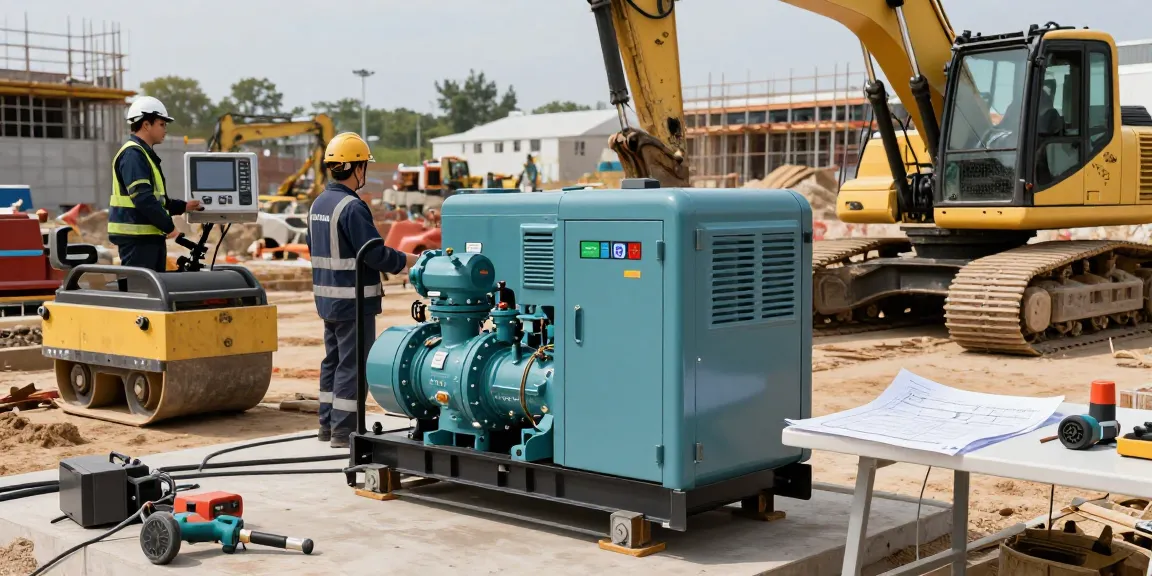
In construction and mining, gas generators play a crucial role in providing power for tools and equipment. The ability to deliver high output with lower emissions makes them a preferred choice for sites that require significant energy while adhering to environmental regulations. Additionally, their portability allows easy relocation from one job site to another, minimizing downtime.
Residential Uses of Gas Generators
Homeowners increasingly turn to gas generators as a reliable backup power source during outages. They can efficiently power essential appliances, ensuring comfort and safety. Furthermore, advancements in smart technology allow homeowners to monitor and control gas generators remotely, enhancing convenience and operational efficiency.
Gas Generators in Emergency Power Supply
Gas generators are vital for emergency power supply in hospitals, data centers, and essential services. Their rapid response capability ensures that critical operations continue uninterrupted during power outages, safeguarding lives and data integrity.
Efficient Operation of Gas Generators
To maximize the performance and lifespan of gas generators, understanding their efficient operation is essential. Here are best practices to consider.
Best Practices for Maintenance and Safety
Regular maintenance is key to ensuring the reliability of gas generators. This includes:
- Conducting routine inspections to identify any signs of wear or damage.
- Changing oil and filters as recommended by the manufacturer.
- Testing the generator under load to ensure it operates correctly.
- Keeping the area around the generator clean to prevent hazards.
Maximizing Fuel Efficiency in Gas Generators
Fuel efficiency is critical for reducing operational costs. Tips for maximizing fuel efficiency include:
- Utilizing the generator at optimal load capacities.
- Regularly cleaning air and fuel filters to ensure proper airflow and fuel delivery.
- Upgrading to advanced control systems that optimize fuel consumption.
Common Operational Challenges and Solutions
Gas generators may face operational challenges such as fuel contamination, mechanical failures, or load mismatches. Addressing these issues involves implementing preventive measures like using quality fuels, conducting regular maintenance, and ensuring that the generator is properly sized for the intended application.
Future Trends in Gas Generator Technology
The gas generator industry is evolving rapidly, driven by technological advancements and changing energy needs. Here are some future trends to watch.
Emerging Innovations in Gas Generator Design
Innovations such as digital controls, enhanced diagnostics, and advanced engine designs are making gas generators more efficient and easier to operate. These improvements contribute to better fuel efficiency, reduced emissions, and increased power output.
The Role of Renewable Energy in Gas Generator Efficiency
As the world shifts towards sustainable energy solutions, integrating renewable energy sources with gas generators is likely to become more common. By combining solar or wind energy with gas power, businesses can create hybrid systems that optimize energy use while minimizing environmental impact.
Market Trends Impacting Gas Generators in 2026
The global market for gas generators is experiencing growth, driven by increasing energy demands and the push for greener energy solutions. Regulations promoting cleaner energy sources are also influencing consumer preferences, leading to a rise in the adoption of gas generators over traditional diesel options.
Frequently Asked Questions About Gas Generators
As you consider gas generators, you might have questions about their operational aspects and suitability. Here are some frequently asked questions:
What is the typical lifespan of a gas generator?
The lifespan of a gas generator can vary greatly, but with proper maintenance, many units can last between 10 to 20 years.
How do I choose the right gas generator for my needs?
Factors to consider include your power requirements, fuel availability, and intended use (permanent installation or portable). Calculating the total wattage needed for your devices helps determine the appropriate generator size.
What maintenance does a gas generator require?
Regular maintenance tasks include oil changes, filter replacements, and load testing. It’s also essential to keep the generator clean and ensure proper ventilation.
Are gas generators environmentally friendly?
Compared to diesel generators, gas generators produce fewer emissions, making them more environmentally friendly. However, the overall environmental impact depends on the type of gas used.
What are the costs associated with gas generators?
Costs can vary based on the generator’s size, type, and features. For more information, Power Generation offers valuable insights. Initial purchase costs, installation fees, and ongoing fuel and maintenance expenses should all be factored into the total cost of ownership.