- Understanding the Bridge Crane: Essential Features and Design
- Types of Bridge Cranes: Choosing the Right One for Your Operations
- Bridge Crane Applications in Various Industries
- Implementing Safety and Operational Best Practices with Bridge Cranes
- Future Trends in Bridge Crane Technology: What to Expect in 2025 and Beyond
Understanding the Bridge Crane: Essential Features and Design
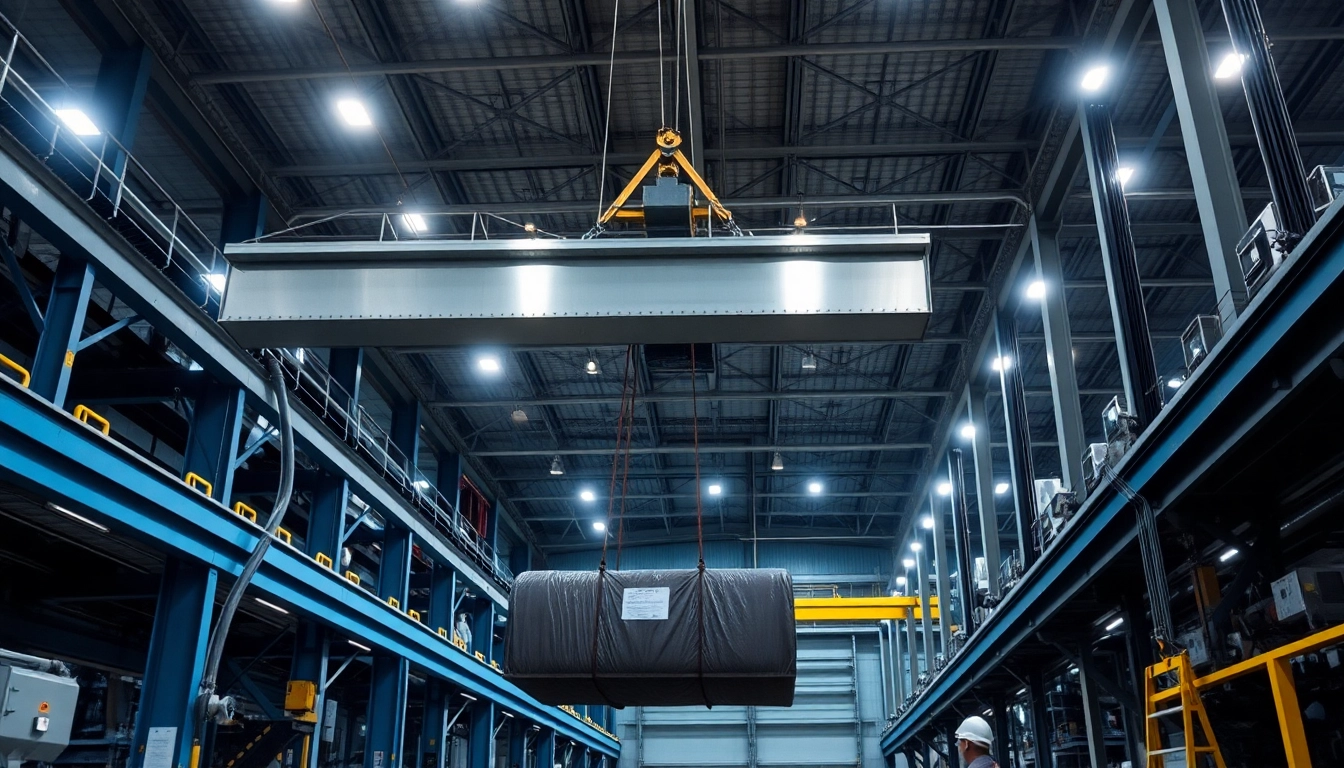
A bridge crane, commonly utilized in industrial settings, is a powerful lifting solution that spans the entire width of a facility. These cranes are designed to operate in environments where heavy loads, such as materials and equipment, need to be transported over significant distances. The bridge crane system comprises a moving bridge that runs on two parallel rails, which allows it to lift and move loads efficiently. When exploring options, bridge crane solutions can provide comprehensive insights into your lifting needs, enhancing productivity and safety in your operations.
What is a Bridge Crane and How Does it Work?
A bridge crane operates by using an overhead structure known as the bridge, which is equipped with a hoist that moves along the length of the bridge. This setup allows for versatility in lifting various weights and sizes of materials. The operation typically includes a control mechanism, often remote-operated, to ensure precise handling. By employing overhead space, bridge cranes maximize floor area, providing an efficient lifting and moving solution.
Key Components of a Bridge Crane System
Bridge cranes consist of several integral components:
- Bridge: The main horizontal structure that spans across the workspace.
- Hoist: The device responsible for lifting and lowering loads.
- Runways: The tracks or rails that support the bridge and allow it to travel.
- Controls: The user interface for operating the crane, which may vary from manual to fully automated systems.
Each of these components plays a crucial role in the crane’s functionality, contributing to its overall performance and efficiency.
Benefits of Using a Bridge Crane in Industrial Settings
Bridge cranes offer numerous advantages in industrial environments:
- Space Utilization: Their overhead design frees up valuable floor space that can be used for other operations.
- Efficiency: With the ability to lift heavy loads swiftly across large areas, they enhance productivity.
- Versatility: They can be customized for various lifting needs, including different capacities and configurations.
- Improved Safety: Their design can reduce the risk of accidents, as loads are moved above operator head height, minimizing the potential for collisions.
Types of Bridge Cranes: Choosing the Right One for Your Operations
Understanding the different types of bridge cranes is essential for selecting the right system that meets your operational needs. Various models exist, each tailored to specific applications and environments.
Overhead vs. Gantry Cranes: What’s the Difference?
While both overhead and gantry cranes serve similar purposes, the key difference lies in their structural design:
- Overhead Cranes: These are mounted on elevated rails, with the hoist traveling along the bridge that spans two supports.
- Gantry Cranes: These cranes have a similar lifting capability but are mounted on their own legs, allowing for portability and use in various locations.
The choice between the two depends on factors such as workspace dimensions, load capacity, and mobility requirements.
Freestanding Bridge Cranes: Ideal Scenarios for Use
Freestanding bridge cranes are particularly advantageous in settings where existing structures may not support traditional overhead systems. They can be installed in areas with minimal construction requirements, making them versatile for:
- Manufacturing plants where heavy machinery needs to be moved across the floor.
- Warehouses looking to optimize their space without modifying existing infrastructure.
- Workshops that require flexibility in load handling and positioning.
Customization Options for Bridge Cranes
One of the significant benefits of bridge cranes is the ability to customize them according to specific operational needs. Customization options may include:
- Load Capacity: Configure cranes for various load weights, from light to heavy-duty.
- Span Length: Adjust the length of the bridge to match the workspace.
- Control Systems: Implement advanced control mechanisms for precise operation.
Bridge Crane Applications in Various Industries
Bridge cranes find applications across various industries, demonstrating their versatility and reliability in material handling.
Manufacturing and Heavy Industry: Maximizing Efficiency
In the manufacturing sector, bridge cranes are essential for moving large materials and components through production lines. Their ability to handle heavy loads quickly and efficiently helps maintain workflow and reduce downtime. Companies often report improved operational efficiency and safety after integrating bridge cranes into their processes.
Construction Sites: Safety and Reliability with Bridge Cranes
Construction projects benefit from the use of bridge cranes by enhancing safety protocols. These cranes allow for the seamless lifting and placement of materials, such as steel beams and concrete panels, directly from trucks to higher elevations. Additionally, the visibility provided by the overhead design allows operators to maintain situational awareness, ensuring safer operations.
Specialized Applications: From Warehousing to Aerospace
Bridge cranes are not limited to heavy industry or construction; they are also utilized in specialized fields such as:
- Aerospace: Handling sensitive components with precision.
- Automotive: Assisting in assembly line processes.
- Food Processing: Ensuring safe and efficient handling of bulk materials.
Implementing Safety and Operational Best Practices with Bridge Cranes
To maximize the benefits of bridge cranes, it is critical to implement safety and operational best practices. This not only protects workers but also enhances overall productivity.
Common Safety Hazards and How to Mitigate Them
Bridge cranes pose several safety challenges, including load stability and operator errors. Strategies to mitigate these hazards include:
- Regular Inspections: Conduct routine checks on crane components to ensure they are functioning properly.
- Load Testing: Perform load tests to verify the crane can handle expected weights safely.
- Safety Training: Provide thorough training for operators to recognize hazards and operate the equipment correctly.
Training Operators for Effective Crane Management
Effective crane management begins with well-trained operators. Continuous training programs can help:
- Enhance skill levels, ensuring operators are adept at handling various loads and conditions.
- Promote awareness of safety protocols and emergency procedures.
Routine Maintenance: Keeping Your Bridge Crane in Top Condition
Regular maintenance is vital for extending the life of a bridge crane. Key maintenance practices include:
- Lubrication: Ensure all moving parts are properly lubricated to prevent wear.
- Component Replacement: Address wear and tear on critical components like cables and hoists promptly.
- Documentation: Maintain records of inspections and repairs to track the crane’s history.
Future Trends in Bridge Crane Technology: What to Expect in 2025 and Beyond
The bridge crane industry is continuously evolving, driven by technological advancements and increasing demand for efficiency and safety.
Emerging Technologies Impacting Bridge Crane Design
Innovations such as IoT connectivity, automation, and AI are transforming traditional bridge crane systems. These technologies enable real-time monitoring and predictive maintenance, enhancing overall performance and safety.
Sustainability in Heavy Industry: Eco-Friendly Crane Solutions
There is a growing emphasis on sustainability in industrial operations. Manufacturers are developing bridge cranes that consume less energy and incorporate eco-friendly materials, aligning with global sustainability goals.
Market Predictions: The Evolving Role of Bridge Cranes in Industry
As industries continue to adapt to changing market conditions, the role of bridge cranes is expected to expand. With ongoing advancements in engineering and technology, bridge cranes will likely become even more integral to efficient and safe material handling solutions across various sectors.