What Is the Hidden Wiki?
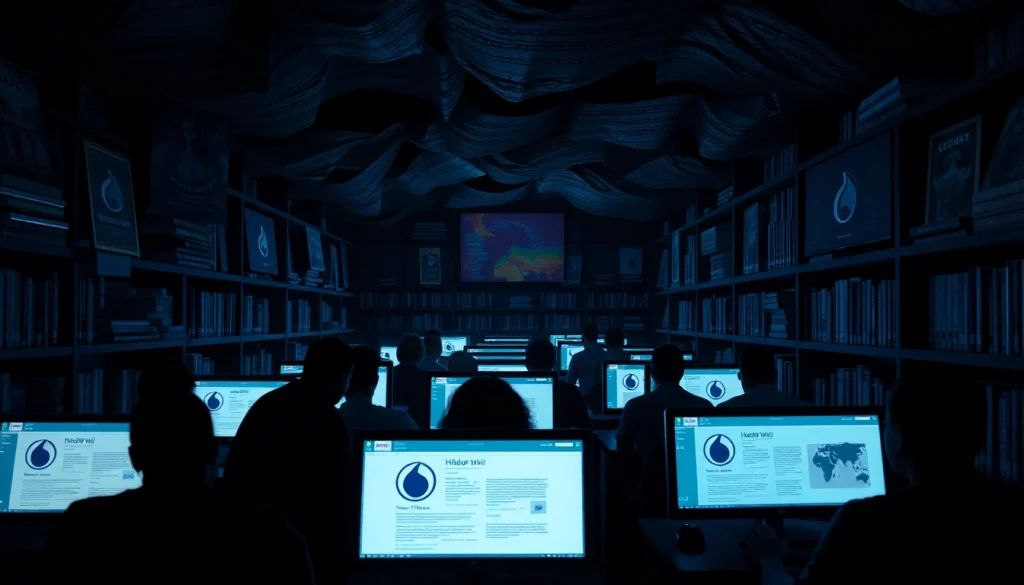
Welcome to the intriguing realm of the Hidden Wiki, a community-driven directory that serves as a gateway to the dark web’s hidden resources. In this digital age, where information is both a tool and a weapon, understanding the dynamics of the Hidden Wiki is crucial for anyone looking to dive into the dark web. Hidden wiki delineates a complex landscape filled with both peril and potential, encompassing everything from anonymous forums to serious whistleblowing platforms.
A Brief History of the Hidden Wiki
The Hidden Wiki emerged in the late 2000s as one of the first directories on the Tor network, allowing users to share links to the hidden corners of the Internet. Originally a simple MediaWiki page, it allowed anonymous contributions from registered users. This community-driven approach meant that the wiki was constantly evolving, reflecting the interests and needs of its contributors. However, its notoriety grew rapidly; by the early 2010s, the Hidden Wiki was infamous for listing illegal content alongside legitimate resources, drawing the attention of law enforcement agencies worldwide.
In 2013, the site’s link to Freedom Hosting—a major dark web hosting provider—made headlines after a high-profile FBI takedown. This incident was part of a broader campaign against dark web activities, and it highlighted the inherent risks associated with the Hidden Wiki. Over the years, a series of hacks and server seizures led to the proliferation of various versions of the wiki, each offering different degrees of content moderation and focus.
How the Hidden Wiki Functions
At its core, the Hidden Wiki operates as a collaborative platform that categorizes links to “.onion” sites, which can only be accessed through the Tor browser. Users contribute to the wiki by adding new links and editing existing entries based on their own experiences and knowledge. This allows for a dynamic ecosystem where information can be shared anonymously. The organization of links spans a wide array of categories, from financial services and email providers to forums and marketplaces.
Major Versions and Mirrors in 2025
Fast forward to 2025, the original Hidden Wiki has splintered into numerous mirrors and alternative versions. Many of these versions have adopted various stances on content moderation. Some focus on providing a safe space for privacy advocates and journalists, while others embrace a more libertarian approach, allowing the inclusion of all types of content, including illegal activities. This fragmentation means that users must be discerning about which version they choose to access, as the reliability and safety of the content can vary significantly.
Navigating the Dark Web: Tools and Techniques
Exploring the dark web, particularly through platforms like the Hidden Wiki, requires a set of essential tools and a good understanding of the environment. Knowledge of how this section of the Internet functions is key to safely and effectively navigating its many complexities.
Essential Access Tools: The Tor Browser
The Tor browser is the primary gateway for accessing the Hidden Wiki and other dark web resources. This browser employs a unique routing protocol that anonymizes users by encrypting and routing their connections through multiple volunteer-operated servers. This process ensures that users’ locations and browsing activities remain concealed from prying eyes. Hence, downloading the Tor browser from The Tor Project’s official website is the first step for any potential explorer of the dark web.
Exploring Alternative Search Engines
While the Hidden Wiki serves as a starting point, several alternative search engines developed specifically for the dark web can help users discover new .onion sites. These include platforms like Ahmia and DuckDuckGo’s onion version, which index hidden services and often provide user-friendly interfaces for navigating the complex landscape of the dark web. They serve as a valuable complement to the Hidden Wiki, offering different perspectives and resources.
Understanding .onion Links
.onion links are a unique hallmark of the dark web, designed to be accessed only through the Tor network. These links lead to hidden services that prioritize user privacy and anonymity. Each link is essentially a gateway to a specific site, which can range from anonymous forums to illicit marketplaces. Understanding the structure and function of these links is crucial for anyone diving into the dark web to ensure that they are accessing legitimate services while avoiding potential traps and scams.
The Good, the Bad, and the Ugly of the Hidden Wiki
The Hidden Wiki serves as a reflection of the dual nature of the internet itself: it embodies the potential for both positive and negative interactions. Analyzing these aspects is essential for anyone considering a foray into this hidden realm.
Positive Use Cases: Privacy and Free Speech
Not all dark web activity is negative; the Hidden Wiki hosts numerous resources that are crucial for individuals advocating for free speech and privacy. For instance, platforms like SecureDrop allow whistleblowers to communicate securely with journalists, providing a vital service for those in oppressive regimes. Similarly, encrypted email options, such as ProtonMail’s .onion site, empower users to maintain their communication privacy against government surveillance.
Risks and Dangers: Illegal Activities
However, the dark side of the Hidden Wiki cannot be ignored. Many links lead to illicit marketplaces where banned goods and services—ranging from drugs and weapons to stolen data—are traded. Law enforcement data indicates that the anonymity of these transactions often enables scams and illegal activities, posing risks not only to the participants but also to the broader internet community.
Community Efforts to Clean Up the Content
In response to these challenges, various members of the Hidden Wiki community have made concerted efforts to curate content more ethically, distilling legitimate resources from the harmful ones. These initiatives aim to provide a safer environment for users, emphasizing the importance of vigilance and responsibility while navigating the dark web’s murky waters.
Staying Safe While Exploring the Hidden Wiki
For anyone venturing into the dark web, prioritizing security is paramount. Here are some strategies to help ensure a safe browsing experience.
Cybersecurity Tips for Safe Browsing
Always use the latest version of the Tor browser to take advantage of the most recent security features. Additionally, consider employing a robust virtual private network (VPN) to add an extra layer of anonymity while browsing. Ensure that your device’s security software is up-to-date to protect against potential malware and hacking attempts.
Recognizing and Avoiding Scams
Scams are prevalent on the dark web, so it’s crucial to develop a keen eye for recognizing fraudulent offers. Be suspicious of sites that seem too good to be true, and avoid sharing personal information. Use vetted marketplaces that have user reviews and escrow services to secure transactions.
Legality Concerns and Ethical Considerations
Understanding the legal implications of browsing the dark web is essential. While accessing the Hidden Wiki itself is not illegal, engaging in activities that violate local laws can lead to serious consequences. Always be aware of the ethical dimensions of your actions online and strive to act responsibly.
The Future of the Hidden Wiki in 2025 and Beyond
As we look ahead to 2025 and beyond, the landscape surrounding the Hidden Wiki and the dark web is poised for significant change.
Emerging Trends in the Dark Web
One trend is the increasing push for decentralized platforms that resist censorship and control. Innovations such as blockchain technology are being explored as potential solutions to issues of transparency and accountability on the dark web. These advancements may offer safer avenues for users, shifting the way they interact with these hidden resources.
Technological Advancements Affecting Security
With advancements in cybersecurity technology, users can expect improved methods to safeguard their anonymity and data on the dark web. Tools that allow for secure transactions and communication are likely to become more sophisticated, catering to an audience that increasingly values privacy and security.
Speculations for 2030: What Lies Ahead?
Looking even further into the future, it is plausible that the dark web will evolve into a more structured and regulated environment, perhaps influenced by legal frameworks that emerge globally. On the other hand, as governments continue to combat illicit activities online, the dark web may also become more decentralized. The coming years will reveal how these dynamics unfold, affecting the role of platforms like the Hidden Wiki in the digital ecosystem.
Wrapping Up: Stay Curious, Stay Safe
The journey through the Hidden Wiki and the dark web serves as a poignant reminder of the ongoing battle between privacy and security, freedom and oversight. Whether you are driven by a desire for knowledge, advocacy for privacy, or simple curiosity, navigating this landscape requires preparation, awareness, and caution. Join us in staying informed about these ever-evolving realms, and let’s engage in meaningful conversations about our rights and responsibilities in the digital world.