
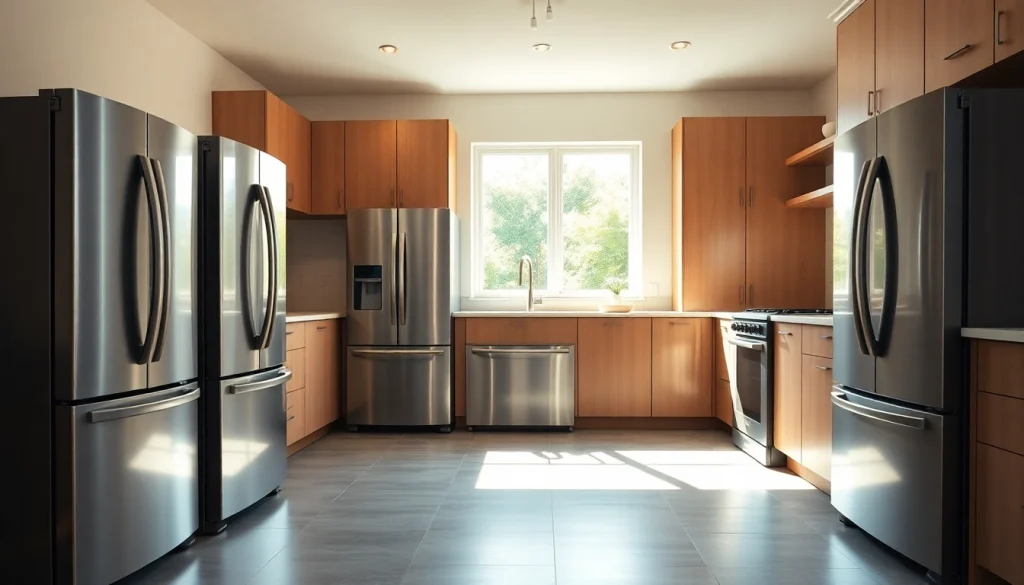
Understanding Different Types of Refrigerator
When it comes to choosing a refrigerator, understanding the different types available is crucial for making the right decision for your kitchen and lifestyle. Refrigerators come in various styles, each designed to cater to different needs, preferences, and space constraints. Let’s explore the most common types of refrigerator configurations:
Top Freezer Refrigerators
Top freezer refrigerators are one of the most traditional designs on the market. These units feature a refrigerator compartment above the freezer. They offer better storage options for bulk items as the freezer section is less frequently accessed. A few advantages of top freezer refrigerators include:
- Space Efficiency: These models generally take up less floor space, making them ideal for smaller kitchens.
- Cost-Effective: Often priced lower than other refrigerator designs, they are a budget-friendly choice.
- Simplicity: Fewer features mean they are usually easier to use and maintain.
French Door Refrigerators
French door refrigerators have gained immense popularity in recent years due to their modern features and elegant design. They feature two side-by-side doors that open to reveal a wide refrigerator compartment, with a separate bottom freezer drawer. Some of their notable benefits include:
- Accessibility: The wide shelves allow easy access to items, helping prevent any bending or reaching into the fridge.
- Flexibility: Many models come with adjustable shelving and door bins, accommodating various item sizes smoothly.
- Enhanced Style: The seamless aesthetic of French door designs can elevate a kitchen’s overall look.
Side-by-Side Refrigerators
Side-by-side refrigerators feature a vertical split, with the refrigerator on one side and the freezer on the other. This design has its own unique advantages:
- Easy Organization: Users can access both compartments seamlessly without bending down.
- Space Management: They fit well in narrow spaces, making them ideal for kitchens with limited layout options.
- Modern Features: Many side-by-side models include advanced temperature control and smart functionalities.
Key Features to Look for in a Refrigerator
Selecting the right refrigerator involves more than just picking a design. Key features play a pivotal role in ensuring that your appliance serves your needs efficiently.
Energy Efficiency
Look for energy-efficient models that can help reduce electricity bills and environmental impact. These refrigerators are often rated by ENERGY STAR, indicating that they meet energy efficiency guidelines set by the U.S. Environmental Protection Agency.
Storage Capacity
Evaluate your storage needs based on your household size and food consumption. A larger family may require a refrigerator with more shelf space, whereas a single person might opt for a smaller model that serves essential functions. Standard dimensions range from 14 to 30 cubic feet.
Cooling Technology
Different models use various cooling technologies, which impact temperature consistency and energy use. Consider options like multi-air flow systems that distribute air evenly or dual cooling systems which maintain optimal humidity levels.
Choosing the Right Size for Your Space
Before making a purchase, consider the space where you intend to place the refrigerator. Accurate measurements can prevent any expensive missteps later.
Measuring Your Kitchen Space
Measure the height, width, and depth of the desired space while accounting for door height and swing clearance. Ensure there is adequate airflow around the unit to prevent overheating.
Considerations for Small Homes
For compact living situations, consider a counter-depth refrigerator or smaller models that still maintain essential functions. Even mini-fridges can offer surprising amounts of storage and usability.
Design and Aesthetics
Now more than ever, aesthetics matter. When selecting a refrigerator, choose a style and finish that complements your kitchen decor. Stainless steel finishes provide a modern look, while white or black options can fit more traditional designs.
Maintenance Tips for Longevity
Regular maintenance can extend the lifespan of your refrigerator and improve its performance. Implementing a few simple practices can go a long way.
Cleaning and Care Practices
Regularly clean the interior and exterior surfaces with mild detergents. Detachable parts should be washed separately. Annual cleaning of the condenser coils at the back helps optimize efficiency.
Identifying Common Issues
Common issues include strange noises, leaks, or failing temperatures. Listening for irregular sounds can help you identify potential problems early. If you notice ice build-up, it could signify a fault in the defrost system.
When to Call a Professional
While DIY fixes can solve simple issues, some problems require professional attention. If problems persist after basic troubleshooting, it’s wise to call a technician to avoid further damage.
Frequently Asked Questions about Refrigerators
What is the average lifespan of a refrigerator?
The average lifespan of a refrigerator is typically around 13 to 17 years, depending on the brand and how well it is maintained.
How often should I defrost my refrigerator?
Manual defrost refrigerators should be defrosted when ice build-up exceeds 1/4 inch. Self-defrosting models do not require manual defrosting.
What should I do if my refrigerator is not cooling?
First, check the temperature settings, then inspect the condenser coils for dust buildup. Ensure the door seals are intact, and consider contacting a technician if problems persist.
Are there smart refrigerators?
Yes, many modern refrigerators come equipped with smart technology, allowing you to connect to Wi-Fi to control settings and access features remotely.
How do I choose the right refrigerator size?
Calculate your space’s measurements and compare them to the refrigerator’s dimensions. Consider your family’s food needs to determine the appropriate storage capacity.